14May
Why Cyprus Has More Cats Than People — The Purring Secret of the Island
Home / About Cyprus /


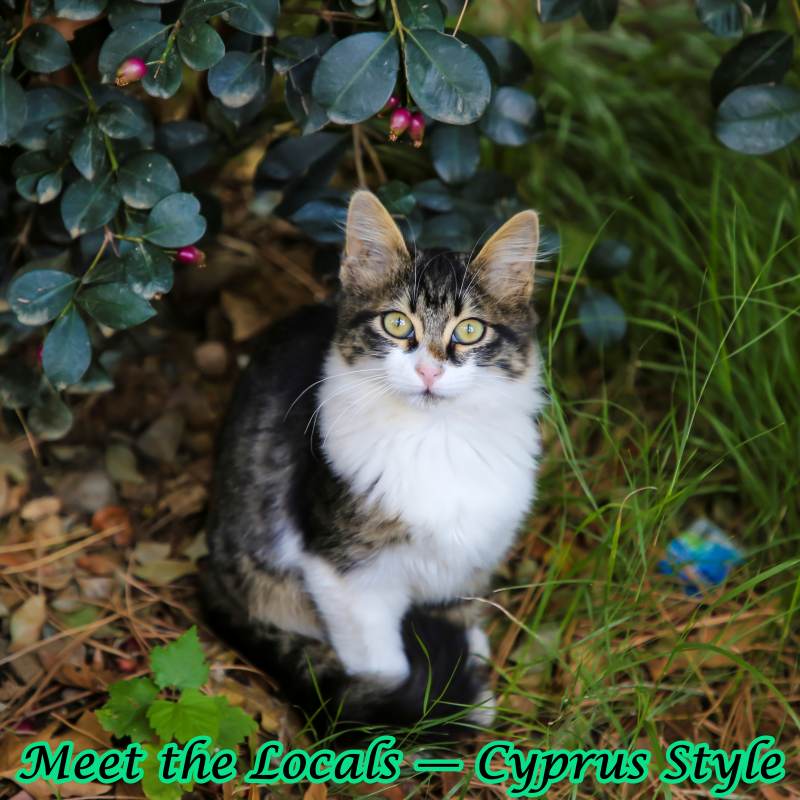
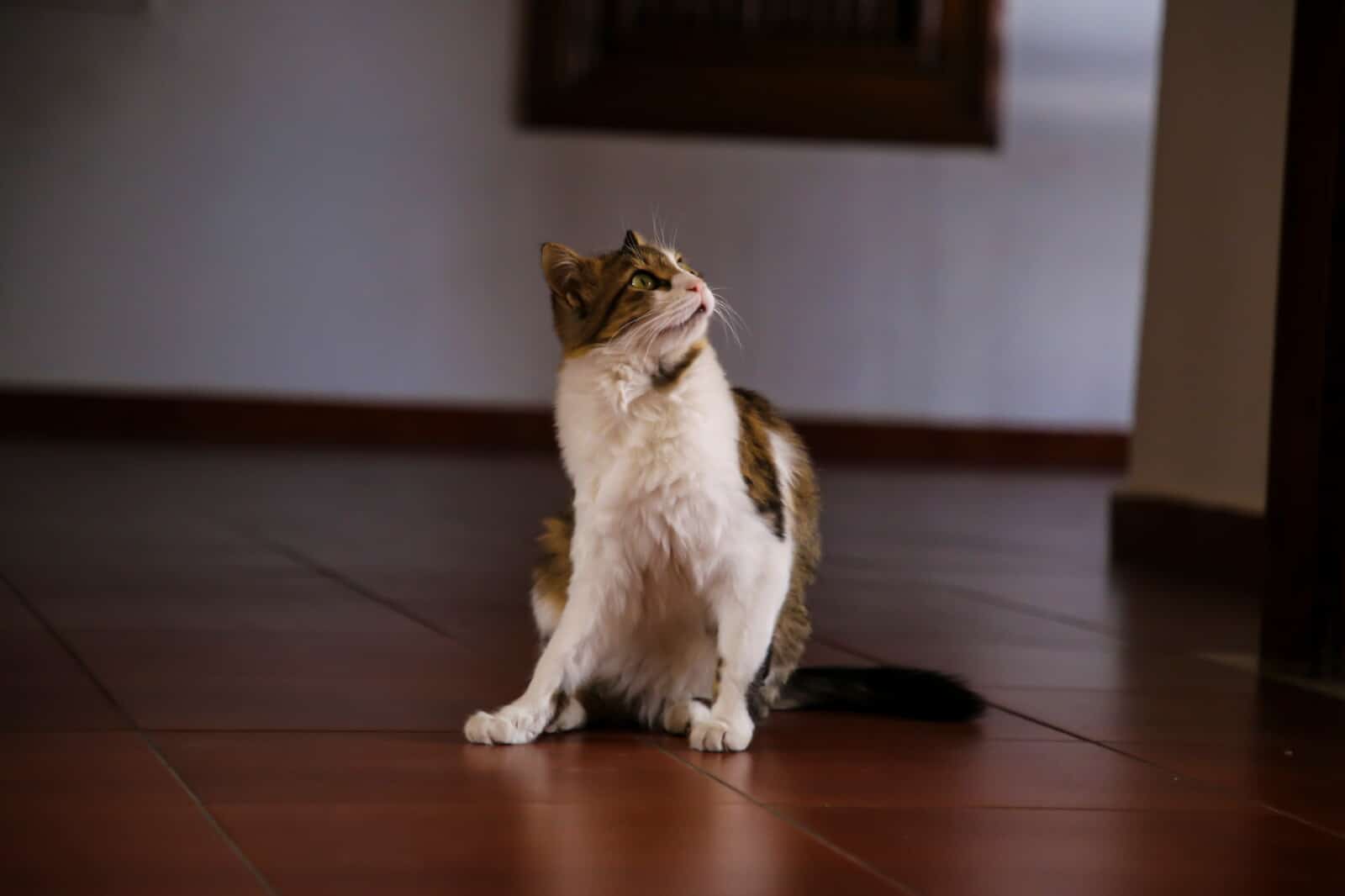
If you’ve ever visited Cyprus and come home with more photos of cats than sunsets, you’re not alone. Welcome to the club.
The Island That Belongs to the Cats
Let’s be honest. You didn’t come to Cyprus just for the Blue Lagoon, the ancient ruins, or the Commandaria wine. At some point during your trip, you stopped dead in the middle of a cobblestone street, crouched down, and started making ridiculous noises at a small striped cat who looked at you with complete indifference.
It happens to everyone.
Cyprus has one of the highest cat-to-human ratios in the world. Nobody knows the exact number — the cats certainly aren’t filling out census forms — but estimates suggest there are anywhere between 1.5 and 2 million cats on an island of around 1.2 million people. That’s right. The cats outnumber the humans. By a considerable margin. And somehow, it feels completely natural.
How Did All These Cats Get Here?
This is where it gets genuinely fascinating. The story of cats in Cyprus doesn’t start last Tuesday. It starts around 10,000 years ago — making Cyprus one of the earliest known places in the world where humans and cats lived together.
In 2004, French archaeologists discovered a remarkable burial site at Shillourokambos, a Neolithic site in southern Cyprus near Limassol. A human and a small cat — just eight months old — buried side by side, approximately 9,500 years ago. The cat wasn’t just around — it was important. Important enough to be buried with a person, alongside shells, polished stone axes, and other ceremonial offerings.
That discovery pushed back the known history of the human-cat relationship by nearly 4,000 years. Before that find, Egypt got all the credit. Cyprus, quietly, had been a cat island for millennia. But the story gets even better.
Saint Helena, Snakes, and an Army of Cats
Fast forward to the 4th century AD. Cyprus was suffering from a devastating drought — by some accounts lasting several decades. The island became overrun with venomous snakes, particularly the blunt-nosed viper, which made life genuinely dangerous and drove many residents to flee.
Enter Saint Helena, mother of Emperor Constantine the Great. According to legend, she sailed to Cyprus and assessed the situation. Her solution was brilliantly simple: import an army of cats.
She reportedly brought around 1,000 cats from Egypt and Palestine, specifically to hunt the snakes. The monastery of Agios Nikolaos ton Gaton — Saint Nicholas of the Cats — was founded on the Akrotiri Peninsula near Limassol to house and care for them. The monks rang one bell at feeding time, and another to send the cats out hunting.
It worked. The snakes were brought under control. The cats stayed. Forever. The monastery still exists today, still cares for cats, and is one of the oldest Christian monasteries in the world. If that’s not a reason to visit, we don’t know what is.
Cyprus Cats Are Different — and Everyone Knows It
If you’ve spent any time around Cypriot cats, you’ve probably noticed something. They’re not shy. They’re not hiding under bushes. They’re sitting in the middle of restaurant terraces, draped across ancient ruins, perched on harbor walls, staring at you with the calm confidence of someone who knows they own the place.
Because they do.
Cypriot cats have a particular look — many are lean and athletic, with large ears and striking markings, built for centuries of island life. They show up at tavernas just as your grilled halloumi arrives. They sit next to you at Latchi harbor while you drink your morning coffee. They find you at the Baths of Aphrodite, at the Sea Caves, at the village squares of the Troodos Mountains.
Wherever you go in Cyprus, a cat will find you first.
The People of Cyprus and Their Cats
Here’s something that might surprise first-time visitors: Cypriot people genuinely care about their street cats. Walk through any neighborhood — in Paphos, Limassol, Larnaca, or Nicosia — and you’ll find small feeding stations, bowls of water left outside doorways, and locals who feed “their” cats every single day.
Many towns and villages have organized neutering and feeding programs. Volunteers dedicate enormous time and money to caring for the street cat population. It’s a deeply rooted part of the culture — a quiet, everyday kindness that most tourists only notice when they start paying attention.
Some visitors have come to Cyprus for a week and left with a carry-on bag and a cat. True story. More than once.
Where to Find the Best Cats in Cyprus
Since you’re going to look for them anyway, here’s an unofficial guide:
Paphos Harbour — Bold, well-fed, and absolutely shameless about approaching anyone with food.
Larnaca Old Town — The streets around the Church of Saint Lazarus are practically a cat neighborhood. Bring treats.
Limassol Castle area — Shaded, historic, and full of cats who have decided that medieval walls make excellent napping spots.
Kyrenia Harbor (Northern Cyprus) — Possibly the most photogenic cat location on the island. Cats, boats, mountains. Almost unfair.
Troodos Mountain Villages — Mountain cats have a quiet dignity about them. No less charming.
The Cats Are Part of Cyprus
You can visit Cyprus for the history, the food, the coastline, or the wine. But at some point — on a quiet afternoon, somewhere between a Byzantine monastery and a seafood lunch — a small cat will walk up to you, sit down, and look at you as if to say: yes, this is my island, and you are welcome here.
And you’ll understand, in that moment, exactly why people fall in love with Cyprus.
The cats knew it all along.